ARCHIVED CONTENT
You are viewing ARCHIVED CONTENT released online between 1 April 2010 and 24 August 2018 or content that has been selectively archived and is no longer active. Content in this archive is NOT UPDATED, and links may not function.
 

Extract by James Manyika, Michael Chui, Mehdi Miremadi, Jacques Bughin, Katy George, Paul Willmott, and Martin Dewhurst

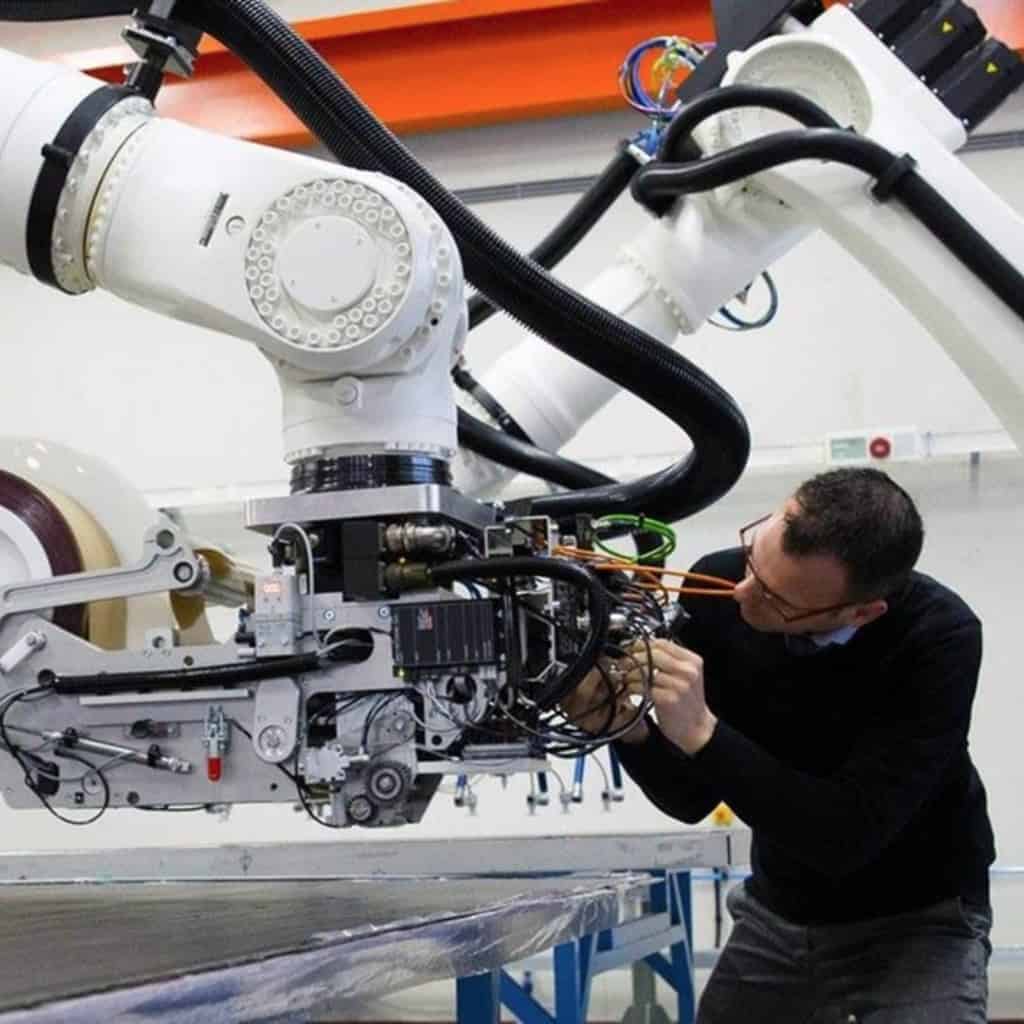
The right level of detail at which to analyze the potential impact of automation is that of individual activities rather than entire occupations. Every occupation includes multiple types of activity, each of which has different requirements for automation. Given currently demonstrated technologies, very few occupations—less than 5 percent—are candidates for full automation. However, almost every occupation has partial automation potential, as a proportion of its activities could be automated. We estimate that about half of all the activities people are paid to do in the world’s workforce could potentially be automated by adapting currently demonstrated technologies. That amounts to almost $16 trillion in wages.

The activities most susceptible to automation are physical ones in highly structured and predictable environments, as well as data collection and processing. In the United States, these activities make up 51 percent of activities in the economy, accounting for almost $2.7 trillion in wages.


Have a Request?

If you have information or offering requests that you would like to ask us about, please let us know, and we will make our response to you a priority.

ComplexDiscovery OÜ is an independent digital publication and research organization based in Tallinn, Estonia. ComplexDiscovery covers cybersecurity, data privacy, regulatory compliance, and eDiscovery, with reporting that connects legal and business technology developments—including high-growth startup trends—to international business, policy, and global security dynamics. Focusing on technology and risk issues shaped by cross-border regulation and geopolitical complexity, ComplexDiscovery delivers editorial coverage, original analysis, and curated briefings for a global audience of legal, compliance, security, and technology professionals. Learn more at ComplexDiscovery.com.


Generative Artificial Intelligence and Large Language Model Use

ComplexDiscovery OÜ recognizes the value of GAI and LLM tools in streamlining content creation processes and enhancing the overall quality of its research, writing, and editing efforts. To this end, ComplexDiscovery OÜ regularly employs GAI tools, including ChatGPT, Claude, Gemini, Grammarly, Midjourney, and Perplexity, to assist, augment, and accelerate the development and publication of both new and revised content in posts and pages published (initiated in late 2022).

ComplexDiscovery also provides a ChatGPT-powered AI article assistant for its users. This feature leverages LLM capabilities to generate relevant and valuable insights related to specific page and post content published on ComplexDiscovery.com. By offering this AI-driven service, ComplexDiscovery OÜ aims to create a more interactive and engaging experience for its users, while highlighting the importance of responsible and ethical use of GAI and LLM technologies.